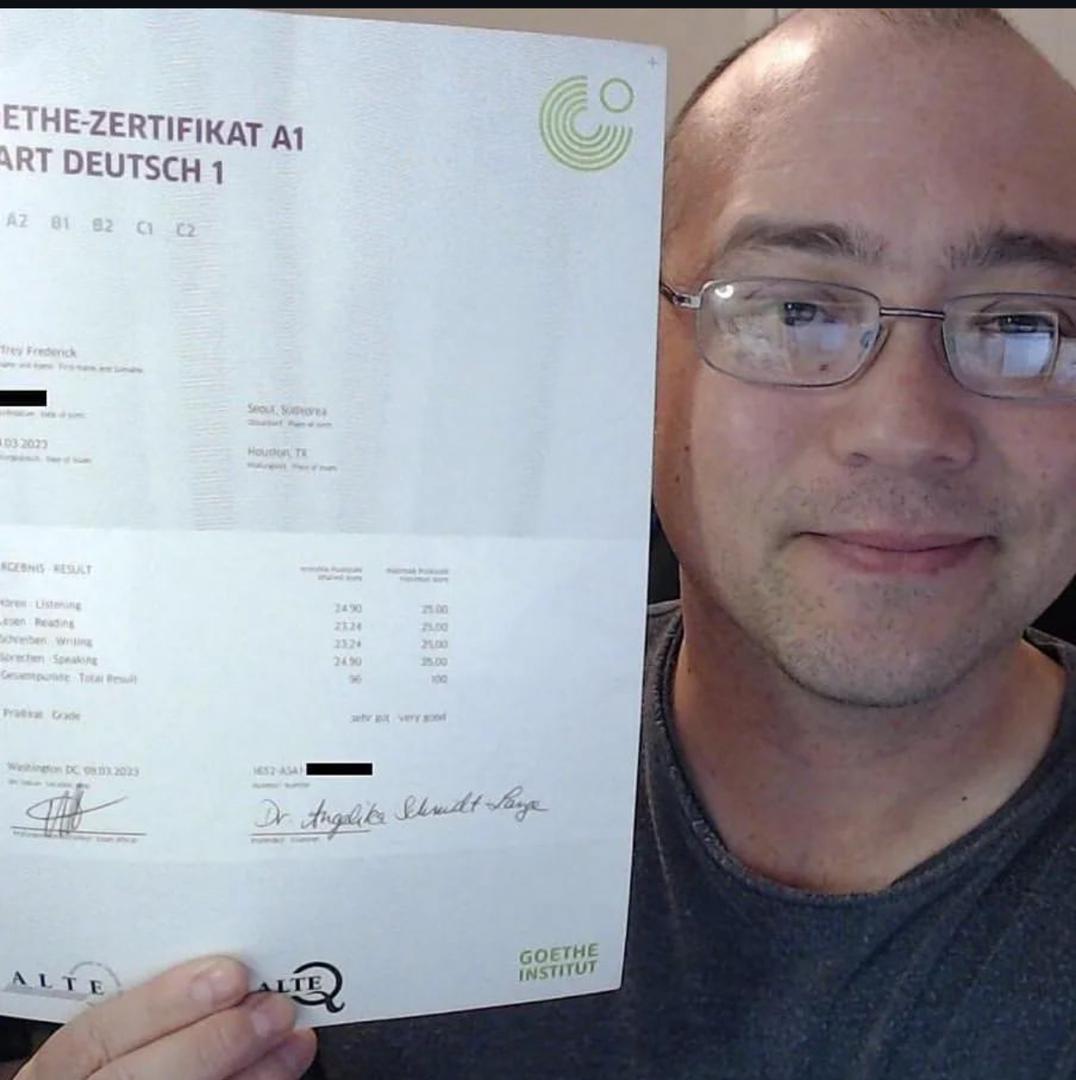
Understanding the B1 Certificate: What You Need to Know
The B1 Certificate, identified by a solid grasp of intermediate-level language skills, has actually ended up being an important possession for learners of languages such as English, German, and French. This certificate basically signifies that a person can successfully interact in different everyday scenarios and has the foundational abilities essential for additional language research study or professional applications. In this post, we will explore the significance of the B1 Certificate, the assessment requirements, preparation techniques, and address regularly asked concerns.
What is the B1 Certificate?
The B1 Certificate is part of the Common European Framework of Reference for Languages (CEFR), which supplies a standardized method to assess language efficiency. The B1 level is thought about an "intermediate" level, where the learner can manage interaction in familiar circumstances, including work, school, and pastime.
Key Abilities at B1 Level
| Skill Area | Description |
|---|---|
| Listening | Comprehend the bottom lines of clear basic speech on familiar matters |
| Checking out | Read and understand texts that consist primarily of high frequency everyday or job-related language |
| Speaking | Deal with most circumstances most likely to develop while taking a trip in a location where the language is spoken |
| Composing | Produce easy connected text on subjects that are familiar or of personal interest |
Value of the B1 Certificate
- Career Opportunities: In today's globalized job market, possessing a B1 Certificate can boost employability, demonstrating that the candidate has essential language abilities.
- Educational Advancements: Many academic programs, particularly those taught in a foreign language, need proof of language efficiency. A B1 Certificate can act as a stepping stone for further language research studies or other scholastic pursuits.
- Travel and Living Abroad: For people wishing to travel or reside in a country where the language is spoken, having a B1 level certification can frequently show useful in everyday interactions.
Getting ready for the B1 Certificate Exam
- Comprehend the Exam Format: Familiarize yourself with the structure of the B1 exam, which generally includes areas on reading, writing, listening, and speaking.
- Take Practice Tests: Utilize practice examinations to evaluate your understanding and identify locations that need enhancement.
- Enlist in a Language Course: Joining a structured course substantially increases the chances of passing the exam, as teachers can supply targeted strategies and feedback.
- Use Language Learning Apps: Many applications are developed to enhance vocabulary, grammar, and language skills. Apps such as Duolingo, Babbel, and Memrise can be particularly beneficial.
- Talk: Regular practice with native speakers or fellow students can improve speaking skills significantly. Language exchange meetups and conversation clubs are great platforms for practice.
- Read and Listen: Consume products in the target language, consisting of books, podcasts, and movies. This help in enhancing understanding and acquainting oneself with the language's subtleties.
Preparation Timeline
| Stage | Period | Jobs |
|---|---|---|
| Preliminary Assessment | 1 week | Take a diagnostic test |
| Research Study Plan Development | 1 week | Develop a learning schedule |
| Engaged Learning | 2-3 months | Routine classes, language apps |
| Practice Tests | 1 month | Simulate exam conditions |
| Last Review | 2 weeks | Modify and attend to any remaining gaps |
What to Expect on the Exam Day
- Show up early to avoid any last-minute stress and anxiety.
- Bring required identification and products, such as pens and a dictionary if enabled.
- Stay calm and manage your time wisely throughout the test.
Frequently Asked Questions (FAQs)
1. What qualifications do I need to register for the B1 exam?
There are no specific requirements to register in a B1 exam; however, a fundamental knowledge of the language, normally in between A2 and B1 level, is useful.
2. How long does it require to get ready for the B1 Certificate?
Preparation time differs by specific however generally varies from 2 to 6 months, depending upon the current level of efficiency and the degree of study and practice.
3. Is the B1 Certificate acknowledged globally?
Yes, the B1 Certificate from recognized institutions is internationally acknowledged, making it an important credential for employment and research study abroad.
4. What resources can assist me prepare for the B1 exam?
Many resources are available online, including practice tests, language discovering websites, apps, and books created specifically for the B1 level.
5. Can I retake the B1 exam if I don't pass?
Yes, prospects can retake the exam as lots of times as they prefer to achieve the needed efficiency level.
In summary, the B1 Certificate acts as a crucial milestone for language learners. Obtaining these details improves employability and educational potential customers but also increases self-confidence in daily interaction. By comprehending the exam format, using numerous preparation methods, and following a structured study strategy, prospects can enhance their possibilities of success. The journey to accomplishing the B1 Certificate might require commitment and effort, but the rewards are indisputable.
For anybody considering advancing their language abilities, the B1 Certificate is an important goal that paves the way for lots of chances in both personal and professional spheres.